Surinam toads breed at Chester Zoo for the very first time
Visitors can now discover one of nature’s most fascinating - and unusual - life cycles inside our Tropical House.
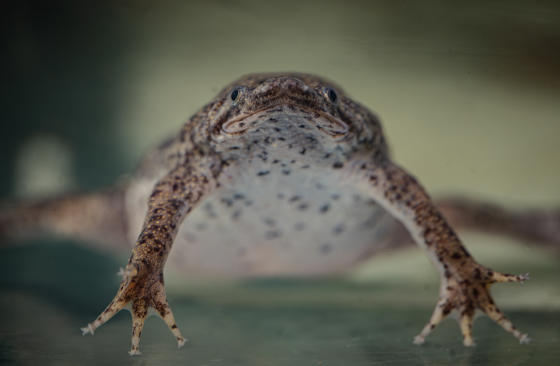
We’ve celebrated the arrival of Surinam toads – an extraordinary species known for their alien-like breeding strategy – for the first time here at Chester Zoo.
Native to the slow-moving rivers and flooded forests of South America, these rarely seen aquatic amphibians carry their developing young beneath the skin of the female’s back. Now, a small group has successfully bred in our care – a major milestone for the species and a powerful moment to inspire curiosity about the natural world.
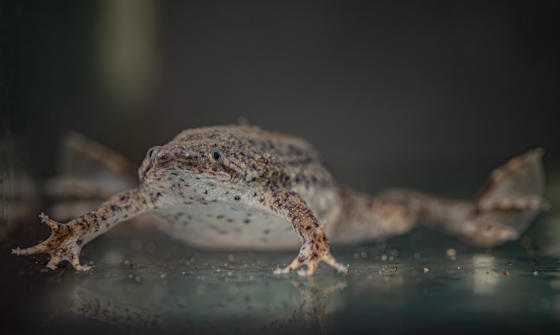
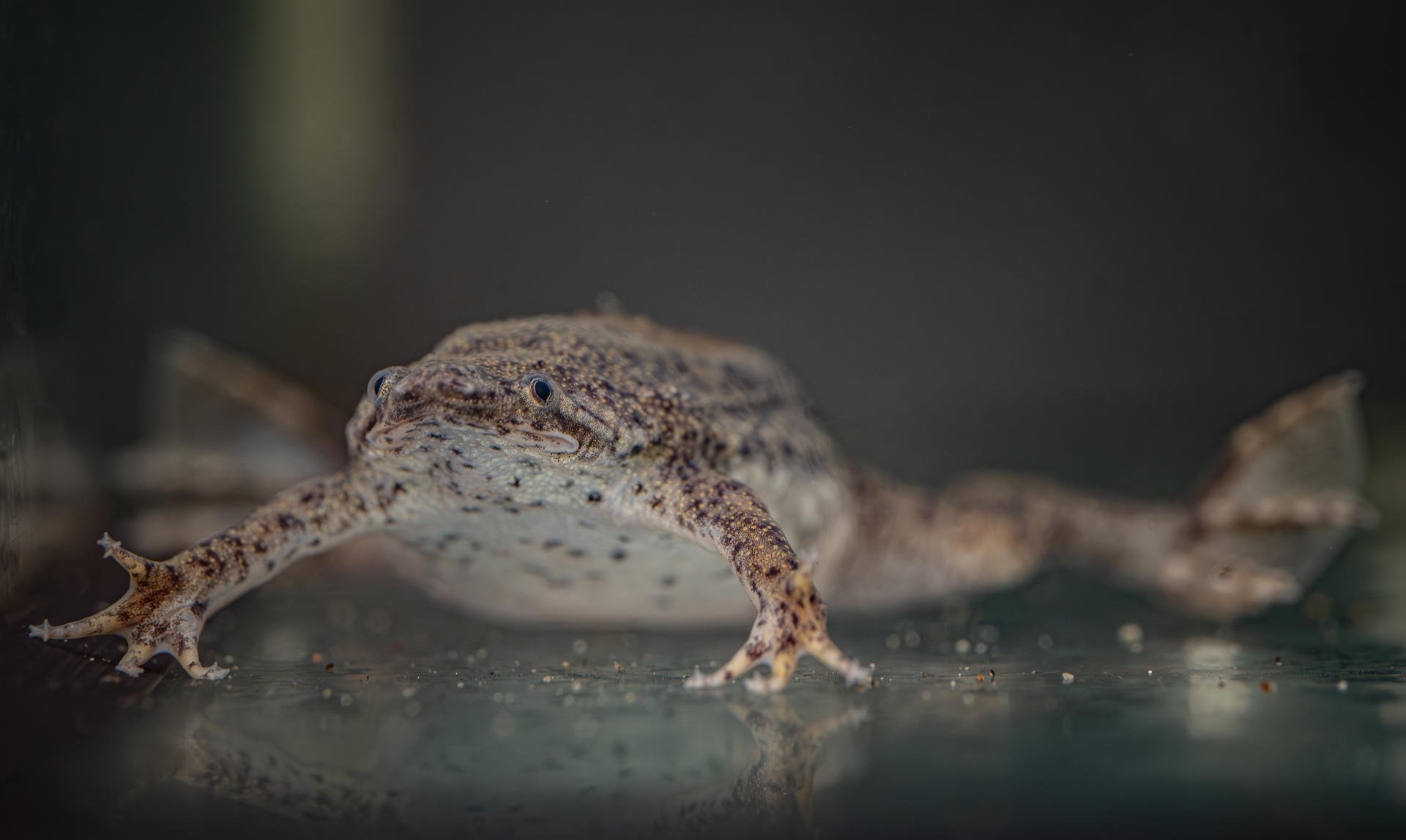
Four Surinam toads (Pipa parva) have taken up residence in our Tropical House, one of our largest indoor habitats. Named Ripley, Lambert, Ash and Dallas – a nod to the sci-fi Alien films – they’re already turning heads thanks to their remarkable reproductive process.
Unlike most frogs and toads, which leave spawn to develop in water, Surinam toads do things very differently. After mating, the pair perform a backflip to flick fertilised eggs onto the female’s back. The male then presses the eggs into her skin – where they stay until the tadpoles are ready to burst out and swim free.
“After implantation, the skin grows around these little white blobs in just a few hours. The tadpoles form under her skin until they’re ready, and then they burst free and swim out from holes in her back. It’s incredible to watch how this unique strategy has evolved in these toads.”
Adam Bland, Assistant Team Manager for Amphibians
Surinam toads spend their entire lives underwater. With flat, leaf-like bodies and star-shaped fingertips that help them detect movement, they’ve perfectly adapted to life on the muddy riverbeds of the rainforest.
And they don’t croak – instead, they communicate using a soft clicking sound made by moving bones inside their bodies.
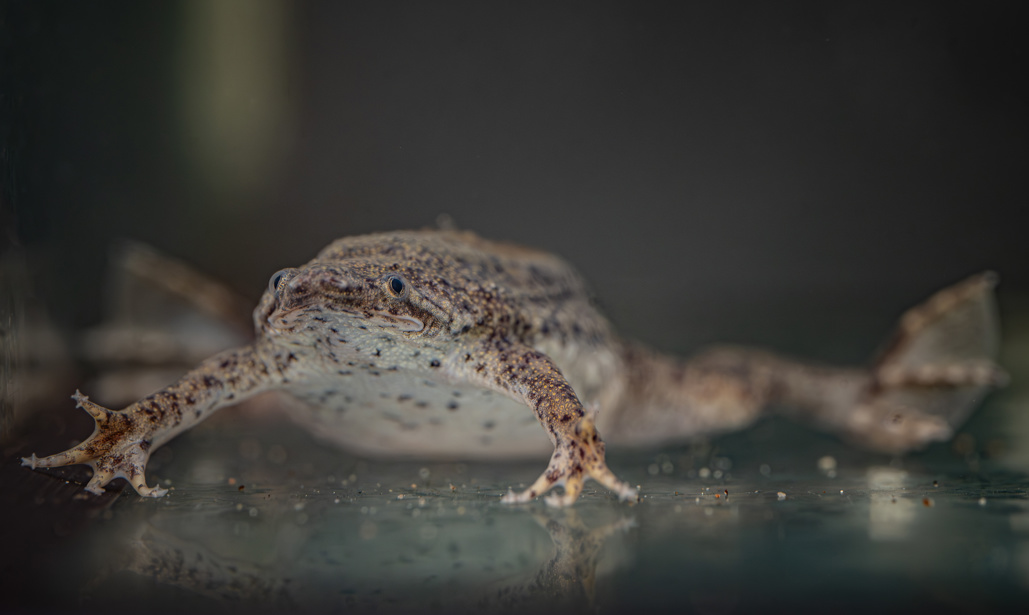
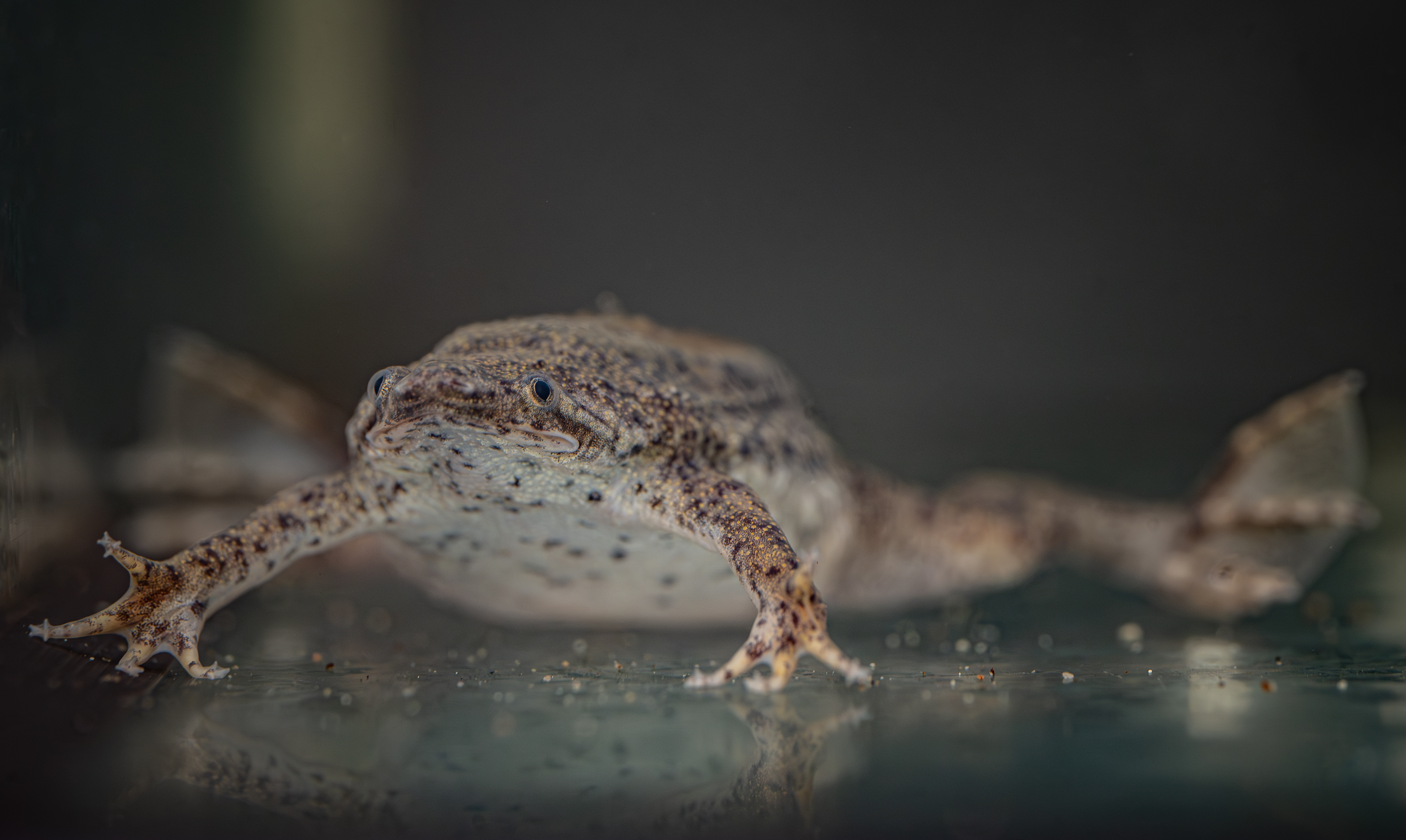
“They’re extremely greedy and will eat almost anything that moves. We remove the tadpoles quickly to give them the best possible chance of survival.”
Adam Bland, Assistant Team Manager for Amphibians
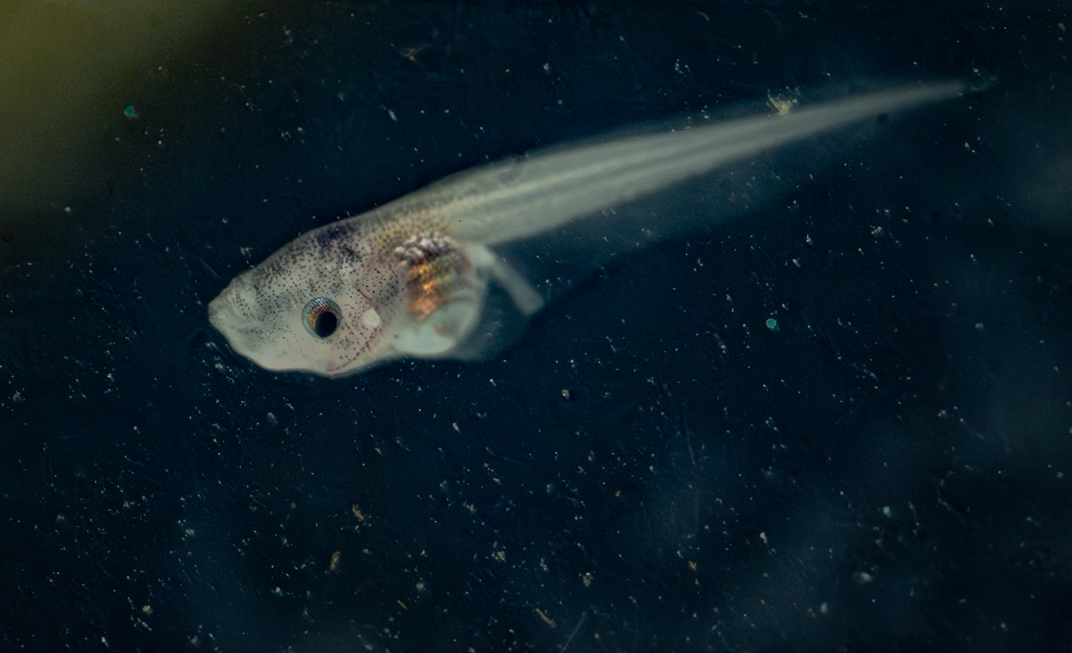
This captivating process happens in a short window – and while it can trigger trypophobia in some viewers due to the appearance of the eggs and holes, most of the time the toads remain flat and calm, hiding among the leaves at the bottom of their habitat.
Adam hopes the arrival of the toads will spark interest in amphibians – a group of animals facing serious threats around the world.
Adam continued:
“They aren’t animals people expect to see, but that’s exactly why they’re so effective for helping people understand how amphibians live – and why we’re trying to prevent their extinction.”